
I’m sure you hear it all the time: “breakfast is the most important meal of the day”. So, people eat breakfast. What’s not being said is the crucial bit about what they should be eating for breakfast (that bowl of Cocoa Puffs™ or those Poptarts™ are definitely not it). Let’s take a look at what studies have to say when they’ve compared children who skipped,or had a junkified breakfast (yeah, you know what I mean), versus those who ate a healthy, balanced meal. Healthy breakfast eaters:
- made higher grades
- were more attentive and participated better in class
- were less likely to be diagnosed with any learning disabilities
- had better reading and math scores
- missed fewer school days because of illness
- suffered less anxiety, depression and hyperactivity
- showed improved memory
Need additional reading material? Check out any of these scholarly articles.
Dr. Sears calls healthy breakfasts — “Brainy Breakfasts” and with good reason. Just remember that any food (aka drug) that we ingest has a potential to either boost and energize our brains or make them sluggish and foggy.
Still, I haven’t answered the question, “what makes a breakfast a healthy brainy one”? Here’s what it should be comprised of:
- Nutrient dense protein, preferably one without a lot of bad fats or nitrates/nitrites and without too much processing or too much salt. This perks up the brain and also sets up the body to start producing hormones and other things it needs. (And, no, bacon is NOT a good breakfast protein, just in case you were wondering.) The right type of protein should have a good amount of the amino acid, tyrosine. Tyrosine is a natural neurostimulant, meaning that it “wakes up” the brain and not in a crazy, wired way either. Foods rich in this amino acid are: chicken/turkey, soy beans, seeds/nuts (especially pumpkin seeds), wild salmon, eggs, beans, and whole grains (like oats).
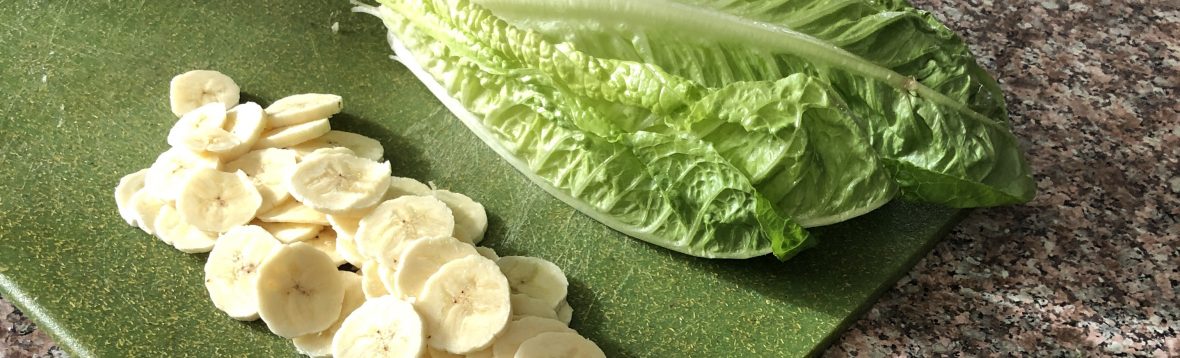
- Fiberlicious carbohydrates like whole grains that are NOT loaded with sugar. Nutritious carbohydrates, with lots of healthy fiber, help to provide a steady supply of fuel for the brain and the rest of the body. Not all carbs are bad, in fact, stop labeling foods as good or bad but call them nutritious or not nutritious. Avoid the over-processed and refined sugars as much as possible. Consider adding real fruit puree to things (without added sugar) or some slices of banana — nature provides the right amount of sugar that we need without sending us overboard. An over-sugared brain will crash and burn before the day has even started.
- Omega-3 fats. Yes, fats are not all created the same and some are super powered for the brain. These Omega-3 fats help the brain function more efficiently. Omega-3 powerhouses are: salmon, avocadoes, flax seeds, chia seeds, walnuts, and soybeans.
- Healthy minerals such as calcium and iron help the electrical system of the brain. Don’t worry too much about this as the cereal food companies have been brainwashing us to believe that we can’t get the right amount of minerals without eating their enriched or fortified not-nutritious moneymakers. We can get plenty by eating the right foods. By-the-way, in case you’re wondering, “enriched” means that the food originally had those things but lost them due to the intense processing; “fortified” means those things were never there.
Here are a few suggestions to get you started with a brainy breakfast or two:
- “Let-Us” Roll — banana slices on peanut butter (or any other nut/seed butter) spread on a romaine lettuce leaf rolled up and ready to head out the door.
- Oatmeal with blueberries, sliced bananas, pumpkin seeds, and walnuts.
- Slice of whole wheat toast with a tahini spread and topped with some smoked salmon.
- A sandwich of peanut butter and some no-sugar added fruit preserves on whole grain toast.
- Veggie omelet and a side of whole grain toast (hold the oil and butter, though).
- Avocado spread on whole grain toast (maybe top with a sliced, hard boiled egg).
- Whole wheat pancakes topped with no-sugar added fruit preserves. Put some chopped walnuts into the mix and top with sliced bananas. Unsweetened applesauce is a good topper for whole grain pancakes and waffles, too.
- Add a small fruit salad to any of these suggestions as a side dish.
- Sprinkle some flax or chia seeds on the food for an added boost.

After Thought: Try to not be rushed in the morning, especially if you have children. Stress in the mornings plays horrible havoc with our brains, most especially younger brains. High levels of cortisol (a stress hormone) turns on a neurohormone called NPY (neuropeptide-y) that stimulates a craving for carbs which will set everyone up to eat unhealthy all day long. So, BREATHE. Try changing to a healthier breakfast and a calmer morning routine — see if it makes a difference.

 Hart Health