
Oh, the slight of hand is real with our food. No worries, I’m here to help you out a little. First, though, here’s some stuff that you might not know about your food labels:
- If it’s labeled “100% Organic” all that means is that it must contain AT LEAST 95% of organic ingredients. Yeah, 95% is not 100% but there ya go.
- If it’s labeled “Organic”, it means that the food(s) must have at least 70% of organic ingredients. Again, a bit misleading, isn’t it? Wait, there’s more.
- If it’s labeled “No Trans Fats”, it can still have up to 0.5 grams of trans fat.
- “Fortified” means they’ve added some vitamins or minerals to a food that didn’t originally have them (not naturally occurring).
- “Enriched” means that the food originally had those vitamins or minerals but, due to over processing, they disappeared so factory food makers added it back in (mechanically added).
These are only a few of the “slight of hand” methods that occur with what’s being sold to us as “food”. Now that you understand those magic tricks, let’s talk about how to really get the upper hand in knowing what you’re purchasing and putting into your body, and if you’re feeding a family, what you’re putting into your family’s bodies. (If you’re interested in learning the differences of organic foods vs natural vs conventional, look for a future blog post that I discuss those differences.)
For this part, I strongly suggest you grab some prefabricated food from your pantry. Go on… I’ll wait… *insert elevator music here*.
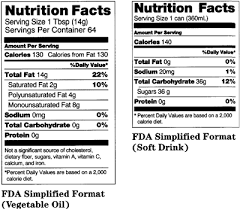
You got something in hand? Awesome. Now, ignore the front part of whatever it is you’ve got. That’s right, turn it around to look at the Nutrition Facts Label. We’re going to start at the top of this label and I’m going to outline it:
- Serving Size. That’s pretty easy, right? But, how many times have you
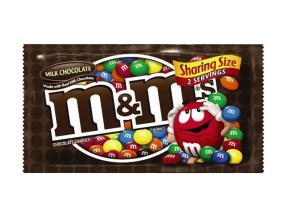 looked at a small packaged food and realized that you assumed it was a single serving but in fact it was a 1.5 serving or even a serving size of two (I’m looking at you Milk Chocolate M&Ms™ Sharing size). Always, always, always check your serving sizes.
 - Calories. These are based on that serving size. So, basic math, if it serves two and you eat the entire thing, you multiply this number by two. This also tells you how many of these calories come from fat specifically (in case you’re worried about that in particular).
- % Daily Value. So this is set up and put forth by the FDA (Food and Drug Administration). They basically come up with how much of particular nutrients that an average and healthy adult needs (read: in their mid-twenties) based on a 2000 daily caloric intake. Notice that I said an “average and healthy adult”. I have issues with this percentage as a guideline but that’s a whole other thing.
- Total Fats (and fat breakdowns). Here’s one of those slight of hands we discussed earlier. If there’s less than 0.5 grams of trans fat, they don’t need to put it on here (but you can still figure it out – we’ll get there). Saturated and Trans Fats are the baddies that you want to try to steer away from. Monounsaturated (this one can help you lower your bad cholesterol) and Polyunsaturated fats are the ones that are least harmful to our bodies.
- Cholesterol. Yes, the thing that drives us insane trying to lower one and raise the other. If you’re in this battle, the recommendation is to avoid adding more cholesterol via your diet (aka your food regimen). So, look for 0 mg whenever possible.
- Sodium. The lower this number is, the better – all around (there will be a blog post about sodium and what they’re learning about how it affects your body and cravings). This doesn’t just affect your blood pressure.
- Potassium. A very important mineral to help keep down the effects of eating too much sodium for one thing, but don’t overdo it either.
- Total Carbohydrate. This one breaks down the make-up of the carbohydrates in the food. You want something that is high in fiber but low in sugar (unless the sugar occurs naturally like unsweetened applesauce). I really wish they’d break the “sugar” portion out to “Added Sugars” instead. Sigh. We’ll talk more about this one when we discuss the thing I find most important on a label — the ingredients. **UPDATE 10-15-2018**: Labels now have Sugar and Added Sugars to help us figure out this confusion a bit better.
- Protein. Yes, yes, we all know about this. Hopefully, you read my blog post about protein. If not, you’ve still got time.
The things to keep in mind when looking at all of those numbers: You want something to be low in saturated fats, sodium & added sugars, and no trans fat. You want it to be high in potassium, fiber, and protein. There, that’s the gist. I know, I could’ve just led with that but I like giving more information. In fact, I’m going to highlight those sentences just so they stand out more.
Now, for my favorite part of the label — INGREDIENTS!
Ingredients in a food product must be listed from the most to the least (by weight). So, if you’re looking for that added sugar, you can tell (sorta) how much of it was added by where it’s listed. This is where you can look for the hidden trans fat by finding the following words:
- Hydrogenated oil (not all of these are synonymous with trans fat but I wouldn’t chance it)
- Partially Hydrogenated oil
Other things to avoid if possible:
- Artificial colorings
- High Fructose Corn Syrup
- Monosodium Glutamate (MSG) including other names like Yeast Extract (see here for more hidden names for this excitotoxin)
- Aspartame, HVP (Hydrolyzed vegetable protein), BHA (butylated hydroxyanisole), BHT (butylated hydroxytoluene), Acesulfame Potassium (aka acesulfame K), Potassium Bromate, Sodium Nitrate/Nitrite, Proply Gallate, and Sodium Benzoate
That’s it. I mean, for now. I know it seems like a lot but it really isn’t. Don’t go all cuckoo-bananas and start throwing stuff away from your pantry but I suggest you start small. Next time you go to the grocery store, take a few extra moments and check those labels. Or, better yet, do check your pantry for the items that you buy regularly that may not be the best choices based on the Nutrition & Ingredients label and make a note to find a better replacement the next time you’re shopping. Small steps, or like one of my favorite movies “What About Bob?” … Baby steps to the pantry… Baby steps to the grocery store… You get it, right?
After Thought: If you have children who can already read, get them involved by playing a grocery store game of “Can you find” and ask them to look for those “less-than” ingredients, making sure that they understand that those things will not help them grow or make them smarter or make them run faster than Mary or Johnny. Let’s get another generation reading labels and making wiser choices!

 Hart Health